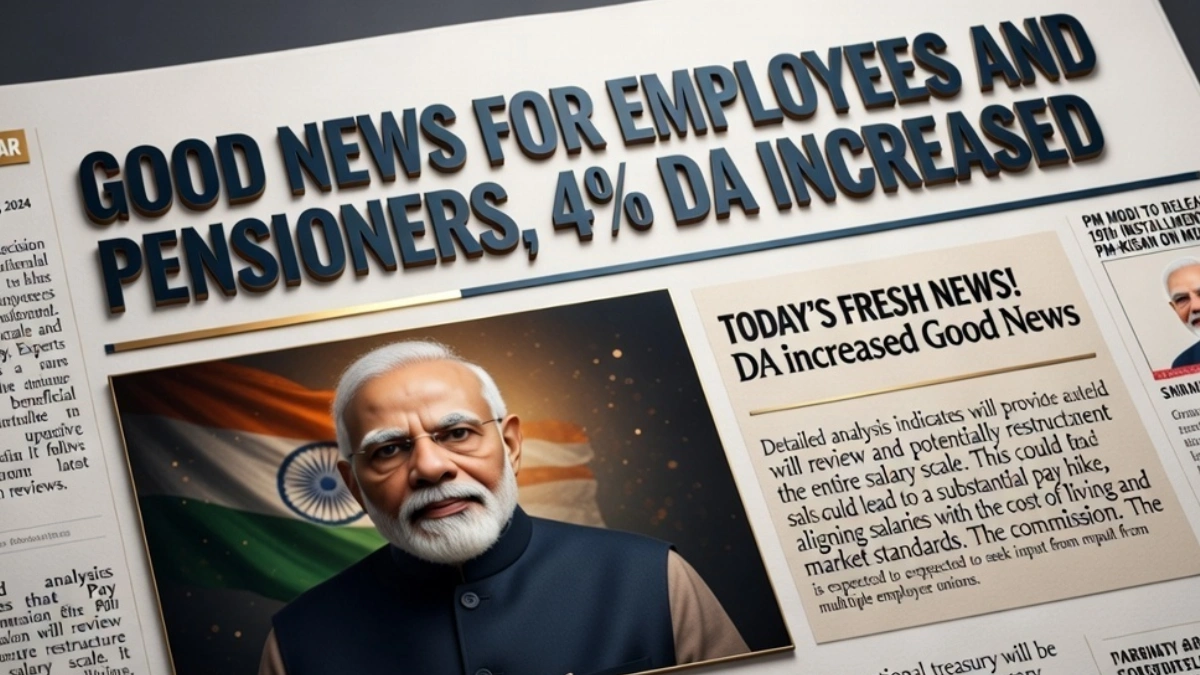
In 2026, government employees and pensioners are set to receive a substantial Dearness Allowance (DA) increase aimed at offsetting rising inflation. The hike is expected to significantly raise monthly salaries and pension payouts.
The adjustment reflects changes in inflation trends and is calculated based on the Consumer Price Index, ensuring compensation keeps pace with cost-of-living pressures.
Who Benefits from the DA Increase
Central government employees, public sector staff, and pensioners are among the primary beneficiaries of the revised DA rate. Family pensioners are also eligible for proportional increases in their monthly payouts.
The revised allowance is automatically added to the basic salary or pension without requiring a separate application.
DA Hike 2026 Comparison Table
| Category | Previous DA Rate | New DA Rate 2026 | Estimated Monthly Impact | Applies To |
|---|---|---|---|---|
| Central Govt Employees | 46% | 50% (Expected) | Higher gross salary | Serving employees |
| Pensioners | 46% | 50% (Expected) | Increased pension payout | Retired staff |
| Family Pensioners | 46% | 50% (Expected) | Proportional rise | Dependents |
| Public Sector Staff | Based on pay scale | Revised accordingly | Varies by grade | PSU employees |
| Arrears (if applicable) | Not included | Possible from effective date | Lump sum payment | Eligible categories |
| State Govt Employees | Varies by state | Subject to state decision | Depends on approval | State-level staff |
This table outlines the expected changes in DA rates and their impact across various beneficiary categories.
How the DA Is Calculated
Dearness Allowance is calculated as a percentage of basic pay and is revised twice a year based on inflation data. The formula considers the All India Consumer Price Index to determine appropriate adjustments.
As inflation rises, the DA percentage increases to protect employees and retirees from reduced purchasing power.
Financial Impact on Salaries and Pensions
A higher DA rate directly increases gross monthly salary for employees and boosts pension amounts for retirees. The revision may also impact other allowances linked to basic pay.
For many households, the DA hike provides relief against rising costs of essentials such as food, fuel, and utilities.
When the New DA Will Be Implemented
The revised DA rate is typically implemented from a specified effective date, often January or July of the financial year. Official announcements confirm the percentage increase and whether arrears will be paid.
Employees should monitor official government notifications for confirmation of the effective date and payout schedule.
Conclusion
The 2026 DA hike offers meaningful financial relief to government employees and pensioners by adjusting salaries and pensions to match inflation. With an expected increase in the DA percentage, beneficiaries can anticipate improved monthly income and stronger purchasing power. Staying updated through official announcements ensures clarity on implementation dates and arrears.
Disclaimer: This article is for informational purposes only. Dearness Allowance rates, implementation dates, and arrears are subject to official government approval and may vary based on policy decisions. Employees and pensioners should refer to official government notifications for accurate and updated information.