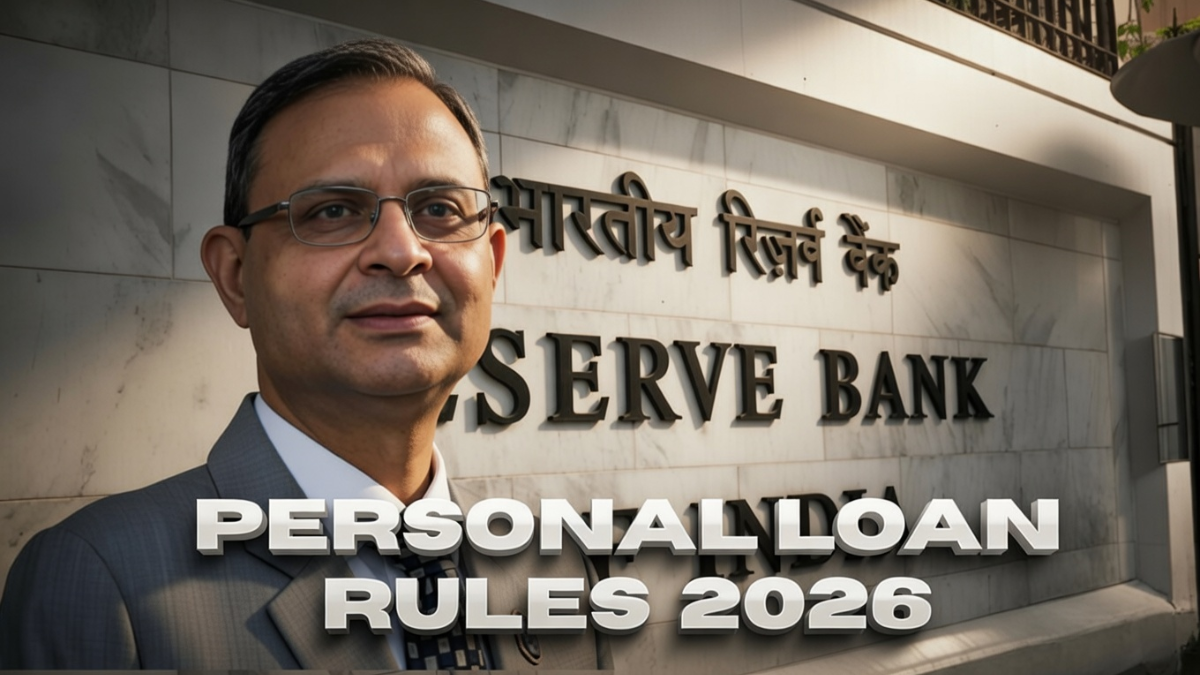
Personal loans have become one of the fastest growing credit products in India. From medical emergencies to lifestyle expenses, borrowers increasingly rely on quick digital approvals. However, concerns over rising debt levels, aggressive recovery practices and unclear charges have prompted tighter oversight.
In 2026, new guidelines introduced by the Reserve Bank of India focus on transparency, borrower protection and responsible lending. If you are planning to take a personal loan, these changes could directly affect your approval process, repayment structure and rights as a borrower.
Stronger Transparency in Loan Terms
One of the key objectives of the updated guidelines is to ensure that borrowers clearly understand what they are signing up for. Lenders are required to provide transparent disclosure of:
Interest rates and whether they are fixed or floating
Processing fees and additional service charges
Prepayment or foreclosure penalties
Total cost of borrowing including all charges
This reduces the risk of hidden costs that inflate the final repayment amount.
Clearer Digital Lending Regulations
With the rapid rise of app based lending, RBI has tightened rules around digital loan platforms. In 2026, regulated entities must ensure that:
Loan sanction letters clearly state terms and conditions
Funds are disbursed directly to the borrower’s bank account
All charges are disclosed upfront
Unauthorized data access is restricted
Borrowers should verify whether the lender is regulated before accepting any offer.
Improved Credit Assessment Norms
Lenders are expected to follow stricter credit evaluation processes. This includes assessing repayment capacity more carefully rather than approving loans solely based on minimal documentation.
The aim is to reduce over lending and prevent borrowers from falling into debt traps.
For borrowers, this may mean slightly more scrutiny but also safer lending practices.
Limits on Aggressive Recovery Practices
RBI guidelines emphasize fair recovery methods. Harassment, public shaming or unauthorized communication with contacts is strictly prohibited.
Lenders must follow ethical collection practices and adhere to grievance redressal mechanisms.
Borrowers facing unfair treatment can approach the lender’s grievance cell or escalate to the banking ombudsman.
Prepayment and Foreclosure Rules
Many borrowers prefer closing loans early to save on interest. Updated norms encourage transparency regarding foreclosure charges.
Banks and NBFCs must clearly state whether prepayment penalties apply and under what conditions.
Understanding these rules helps borrowers plan early repayment strategies effectively.
Impact on Interest Rates and EMIs
While RBI guidelines primarily focus on borrower protection, they can indirectly influence interest rates and eligibility norms.
Stricter risk evaluation may affect approval criteria. However, transparent pricing ensures borrowers know the exact EMI obligations from the start.
Responsible borrowing remains essential.
What Borrowers Should Do in 2026
Before taking a personal loan:
Compare offers from multiple regulated lenders
Read the Key Fact Statement carefully
Calculate total repayment amount including fees
Check prepayment conditions
Avoid unauthorized lending apps
Being informed helps prevent long term financial stress.
Conclusion
The RBI’s updated personal loan guidelines in 2026 aim to create a safer and more transparent borrowing environment. While lenders may tighten evaluation standards, borrowers benefit from clearer disclosures, fair recovery practices and stronger digital safeguards.
Understanding these new protections ensures you make smarter financial decisions and avoid hidden risks when taking a personal loan.
Disclaimer: Loan policies and regulatory guidelines are subject to official RBI notifications. Borrowers should verify current rules directly with authorized financial institutions before applying for credit.