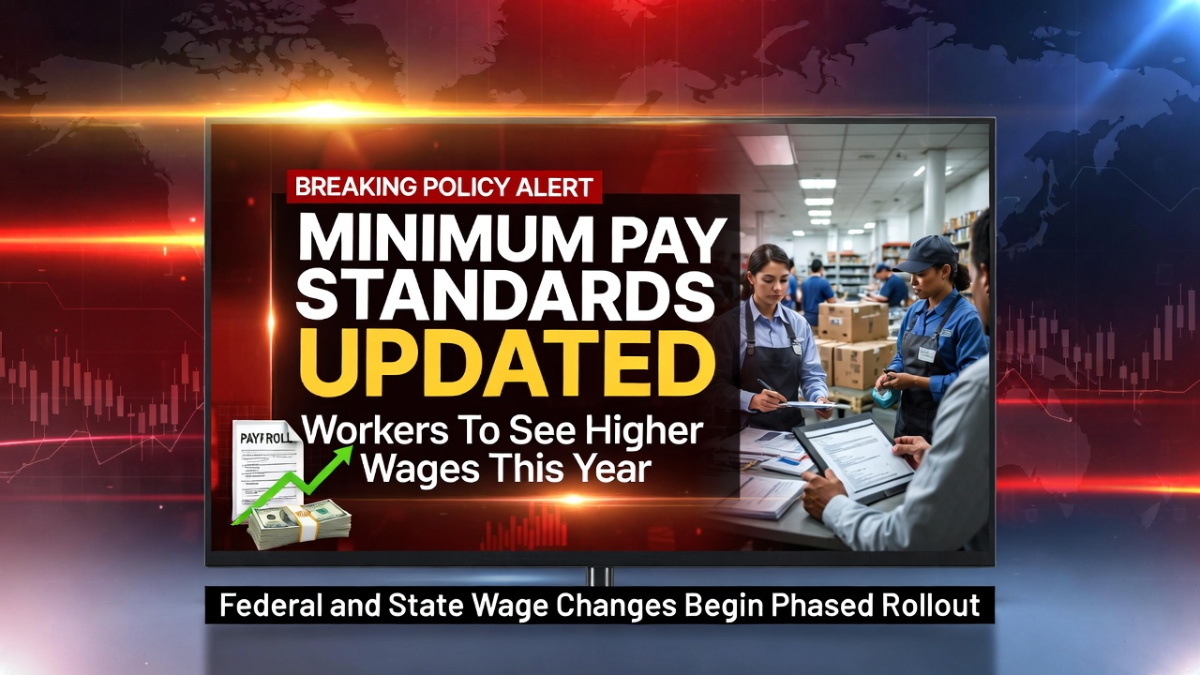
A major recalibration of minimum pay standards this year is drawing national attention as workers and employers adjust to updated wage benchmarks. The revised framework reflects economic shifts, inflation trends, and labor market demands, signaling a broader effort to strengthen income stability for low-wage earners while balancing business sustainability.
Why Minimum Pay Standards Were Recalibrated
The recalibration follows sustained pressure from rising living costs and economic data indicating wage stagnation in lower-income brackets. Policymakers aim to ensure that minimum wage levels better reflect inflation, housing costs, and essential expenses. By updating standards, authorities intend to reduce income inequality and provide workers with more predictable earnings.
Impact on Workers and Households
For millions of hourly workers, the change could result in immediate pay increases. Higher minimum wages may improve financial stability, especially for households managing rent, food, healthcare, and transportation expenses. Economists suggest that increased wages can also stimulate local spending, benefiting community businesses.
| Policy Area | 2026 Adjustment Overview |
|---|---|
| Federal Minimum Wage | Updated baseline under review or revised |
| State-Level Changes | Independent increases in several states |
| Small Business Impact | Adjusted payroll and compliance costs |
| Worker Earnings | Higher entry-level and hourly pay rates |
| Implementation Timeline | Phased rollouts during the year |
Business and Employer Considerations
While higher pay benefits workers, employers must adjust payroll budgets and pricing strategies. Small and mid-sized businesses may face tighter margins, prompting operational adjustments or gradual hiring plans. Compliance with updated wage standards is mandatory once implementation begins, requiring companies to stay informed about federal and state-specific timelines.
Role of Labor Authorities
Minimum wage standards are overseen at the federal level by the U.S. Department of Labor, while individual states retain authority to set higher rates where applicable. This dual structure often results in varied wage floors across regions, with some states implementing more aggressive increases than others.
Broader Economic Implications
Revised pay standards may influence inflation trends, workforce participation rates, and employer hiring decisions. Supporters argue that wage increases strengthen economic resilience, while critics caution about potential impacts on small businesses and entry-level job availability. The full economic effect will become clearer as data from the current year unfolds.
Conclusion: The recalibration of minimum pay standards marks a significant policy shift aimed at aligning wages with modern living costs. While it offers financial relief for many workers, businesses must adapt to the evolving labor landscape.
Disclaimer: This article is based on current discussions and reported updates regarding minimum wage adjustments. Actual rates, implementation dates, and compliance requirements may vary by federal or state authority. Employers and workers should refer to official labor department announcements for accurate and legally binding information.