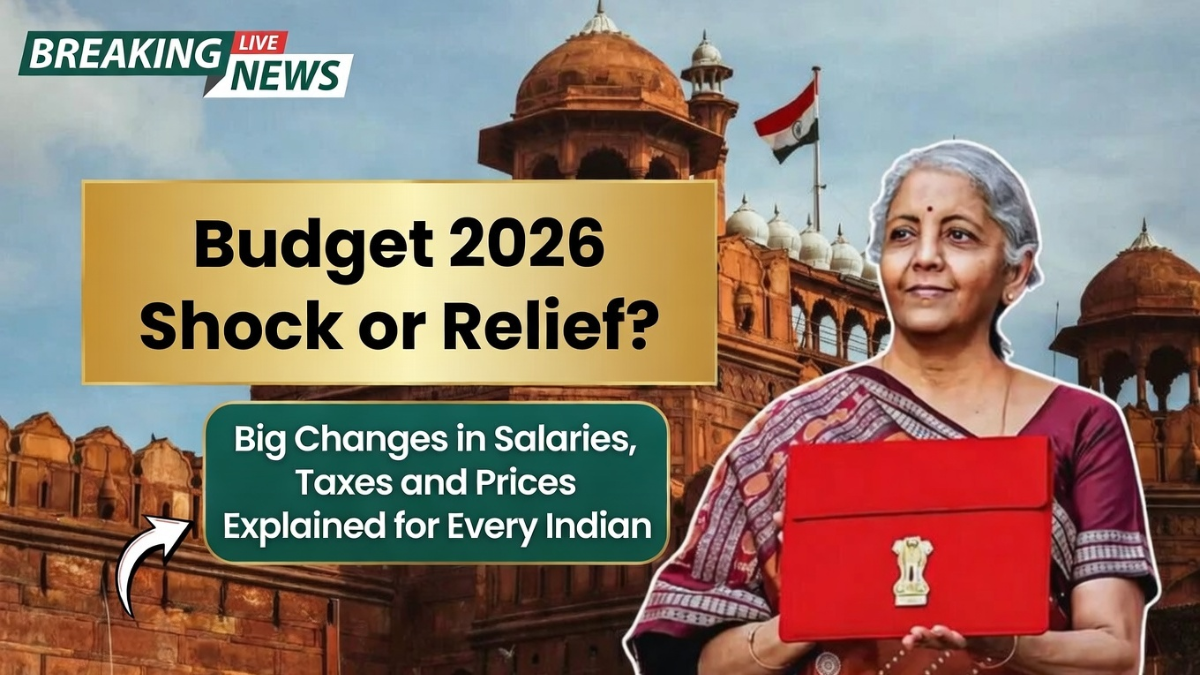
Budget 2026 has finally been unveiled, and it is already dominating national headlines. From income tax relief expectations to changes in daily living costs, this year’s budget carries major implications for salaried employees, business owners and middle class families.
If you are wondering whether your take home salary will rise, taxes will fall or prices will increase, this complete breakdown explains what changes now and how it may impact your financial planning in 2026.
Income Tax Changes: Who Gains and Who Pays More
One of the most closely watched aspects of Budget 2026 is the income tax structure. The government has focused on balancing revenue collection with relief for the middle class.
Possible revisions in tax slabs under the new tax regime aim to simplify compliance while offering moderate relief to salaried individuals. Increased standard deduction and rationalized rebate thresholds could directly impact monthly take home income.
However, taxpayers opting for the old regime should carefully compare deductions and exemptions before switching. The real benefit depends on individual income level and investment planning.
Impact on Salaried Employees
For salaried professionals, even small changes in tax slabs or deductions can significantly affect annual savings. If the rebate threshold is expanded or tax rates reduced for certain income brackets, monthly disposable income could improve.
At the same time, higher provident fund limits or adjustments in professional tax guidelines may influence overall salary structure.
Employees should review updated salary breakups once employers implement new payroll calculations based on Budget 2026 provisions.
Changes in Prices of Daily Essentials
Another major concern is inflation and the price of essential goods. Budget 2026 includes adjustments in customs duties and indirect taxes on selected items.
If duties on imported goods are revised, electronics, automobiles and certain consumer products could witness price changes. On the other hand, reduced duties on raw materials may help control costs in sectors like manufacturing and construction.
Fuel prices remain sensitive to global trends, but tax decisions at the budget level can indirectly influence transportation and logistics costs.
Updates for Small Businesses and Startups
Small businesses and startups are closely analyzing corporate tax policies and compliance relaxations. Incentives for MSMEs, credit guarantees and digital adoption support could strengthen entrepreneurship.
Simplified return filing and extended tax benefits for emerging sectors may encourage business expansion.
For self employed professionals and small traders, changes in presumptive taxation rules may alter overall tax liability.
Investment and Savings Reforms
Budget 2026 also touches on long term financial planning. Adjustments in capital gains taxation, savings scheme interest rates and retirement benefits can influence investor decisions.
Public sector savings schemes may see revised interest rates based on broader economic trends. Investors should monitor these changes before reallocating funds.
Additionally, incentives promoting green energy and infrastructure investment signal the government’s long term economic priorities.
Key Highlights at a Glance
• Possible income tax slab adjustments under new regime
• Changes in rebate and standard deduction limits
• Revised customs duties affecting product prices
• MSME and startup support measures
• Updates in savings and investment rules
These elements together shape the financial landscape for 2026.
What It Means for the Middle Class
The middle class stands at the center of Budget 2026 discussions. Tax relief measures, if implemented effectively, may provide modest breathing space. However, indirect tax changes and global price pressures could offset some benefits.
Families should reassess household budgets, update investment strategies and calculate revised tax liability to fully understand the real impact.
Being proactive with financial planning will help maximize any benefits offered under the new framework.
Conclusion
Budget 2026 introduces a mix of relief measures and structural reforms. While income tax revisions and support for businesses aim to stimulate growth, price dynamics and indirect tax changes will determine the real impact on daily life.
For individuals and businesses alike, understanding these changes is crucial. Reviewing salary structure, tax planning and investment strategy early in the financial year can ensure better financial stability.
The true effect of Budget 2026 will unfold over the coming months as policies are implemented and markets respond.
Disclaimer: Budget provisions are subject to parliamentary approval and official notifications. Individuals should consult tax professionals for personalized financial advice.