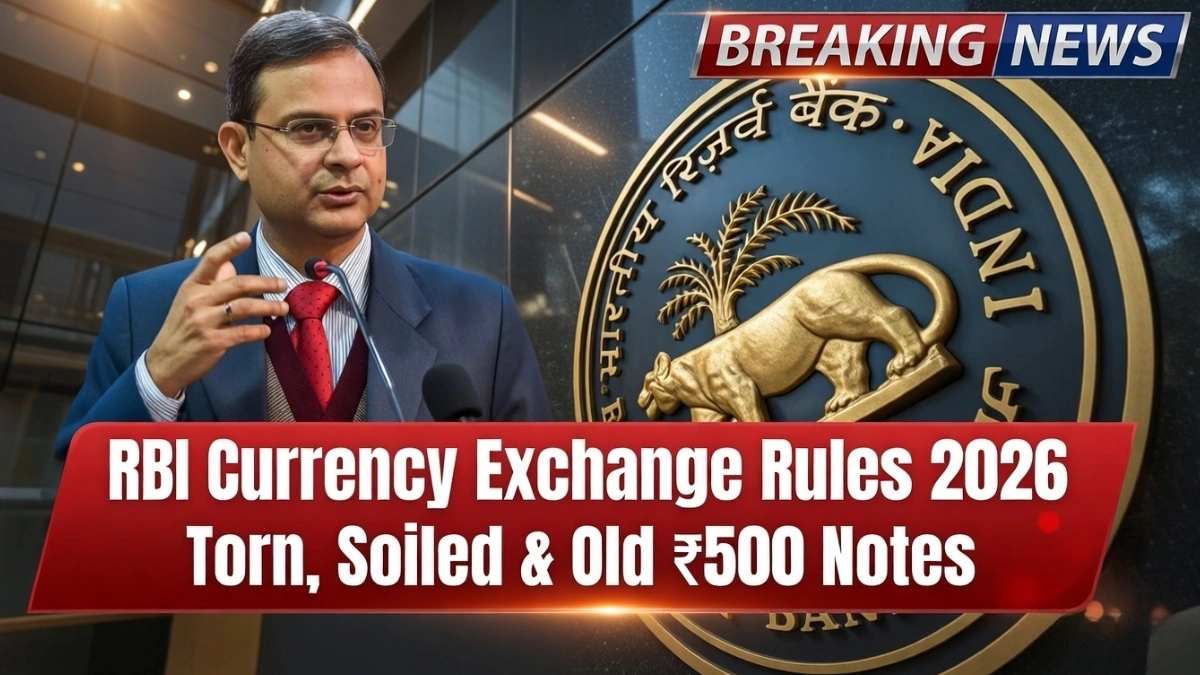
The Reserve Bank of India (RBI) has clear guidelines allowing citizens to exchange torn, soiled, mutilated, or old currency notes at banks. These rules apply to commonly circulated denominations, including ₹500 notes, provided they meet minimum identification conditions.
Banks are authorized to accept eligible damaged notes under RBI’s Note Refund Rules, ensuring that citizens do not lose money due to accidental damage.
Difference Between Soiled, Torn, and Mutilated Notes
A soiled note refers to currency that has become dirty due to regular usage but remains intact. A torn note usually has minor splits or cuts but still retains both pieces. A mutilated note means a portion is missing or heavily damaged.
The refund value depends on the physical condition and the visible portion of the note presented at the bank.
Can You Exchange Old ₹500 Notes in 2026?
If the ₹500 note is part of the current legal tender series and is only physically damaged, it can be exchanged at designated bank branches. However, demonetized series notes are no longer valid unless specific RBI windows are announced.
Citizens should confirm that the note belongs to the active legal tender series before visiting the bank.
Exchange Value Based on Note Condition
| Condition of ₹500 Note | Exchange Value |
|---|---|
| Slightly torn or soiled | Full ₹500 value |
| Two pieces but complete | Full ₹500 value |
| More than 50% portion available | Full or partial value based on RBI norms |
| Less than required portion | May not qualify |
Banks assess damaged notes according to RBI’s minimum area requirement guidelines before determining refund eligibility.
Where Can You Exchange Damaged Notes?
Most public and private sector bank branches accept soiled and slightly torn notes across counters without requiring customers to hold an account. For heavily mutilated notes, selected currency chest branches may handle the exchange process.
Customers are not required to fill lengthy forms for small quantities, but banks may record details for large-value exchanges.
Are Banks Allowed to Refuse Exchange?
Banks cannot refuse to exchange valid damaged notes that meet RBI criteria. Refusal without valid reason can be reported to higher banking authorities. However, notes that are deliberately defaced, burned, or altered may be rejected under RBI rules.
It is important to present notes in their original condition without taping unrelated paper or altering serial numbers.
Important Things to Remember
There is generally no fee for exchanging damaged notes within permitted limits. Large quantities may require verification, and identification documents might be requested for bulk transactions.
Citizens should avoid middlemen and approach banks directly to ensure safe and lawful exchange.
Conclusion
Under RBI Currency Exchange Rules 2026, citizens have the legal right to exchange torn, soiled, or partially damaged ₹500 notes at authorized bank branches. The refund amount depends on the note’s condition and visible portion, but valid legal tender cannot be arbitrarily refused. Understanding your rights helps protect you from unnecessary loss and ensures smooth currency replacement.
Disclaimer: This article is for informational purposes only. Currency exchange rules are governed by official RBI notifications and may change over time. Individuals should confirm current guidelines with authorized bank branches or RBI communications before proceeding with damaged note exchange.